


 Salir
Salir

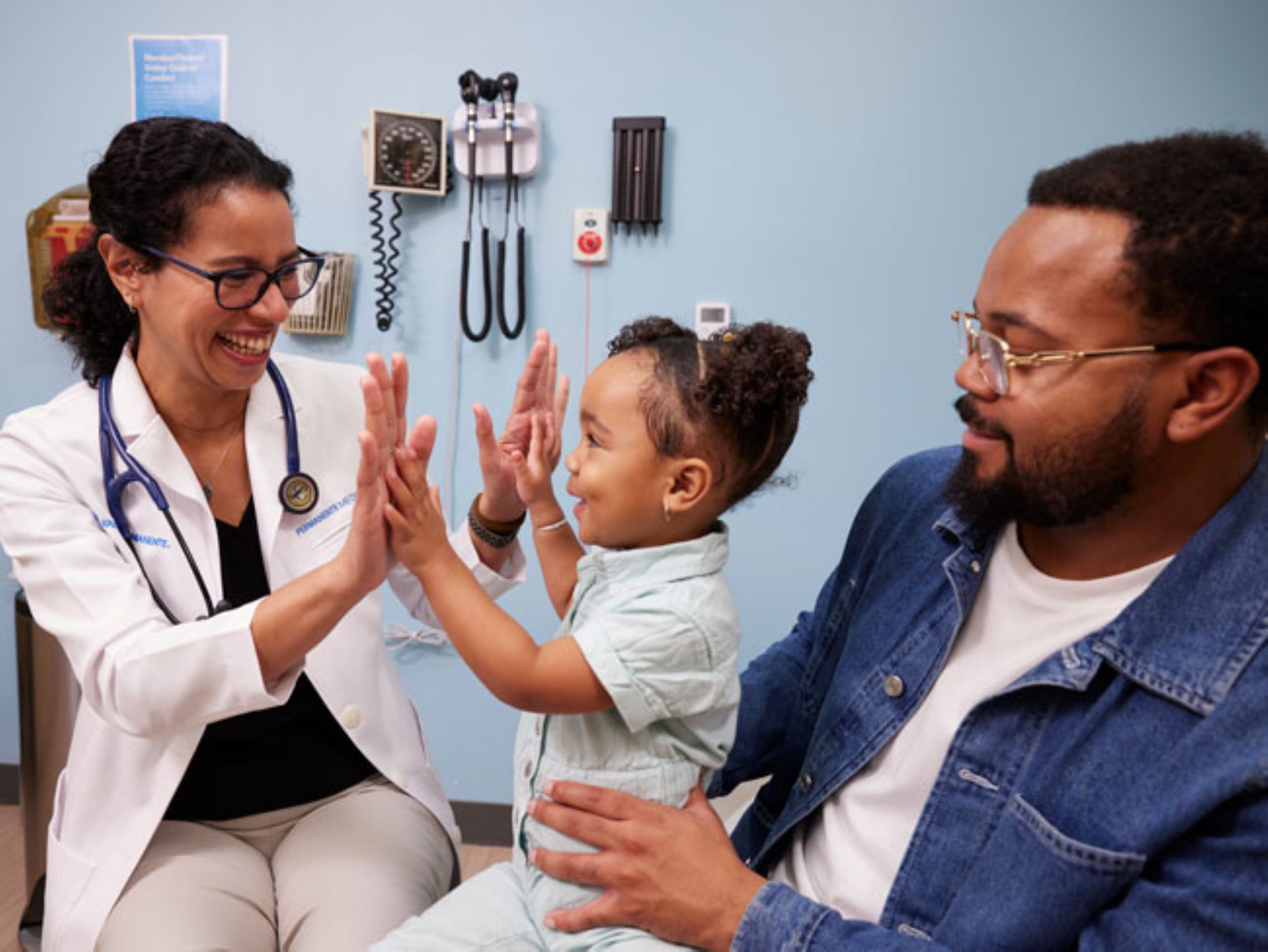
Christal Crooks, MD, is the lead physician at Kaiser Permanente’s Center for Black Health and Wellness in Portland, Oregon.
She became a doctor after first training as a nurse in her home country of Trinidad and Tobago. Her mother’s nursing career and her love of science inspired her to keep learning and eventually go to medical school.
Dr. Crooks understands the health challenges many Black Americans face. These include higher rates of ongoing conditions like diabetes and high blood pressure, lower screening rates for cancer and heart disease, and significantly higher maternal and infant mortality rates.
When she learned about the center and its mission, she knew it was the right place for her. She wanted to help people get better care and feel respected.
Dr. Crooks shares more about her work and why the center matters.
Why is practicing at the Center for Black Health and Wellness important to you?
I’ve had many patients whose backgrounds I can relate to. I understand, culturally, where they’re coming from.
I’ve also had Black patients who didn’t trust me at first — simply because I’m a physician. But as they get to know me, they begin to trust.
Those are my most rewarding moments — when trust leads to better health outcomes. That’s the best feeling.
What are some of the barriers to health for Black communities?
Many studies show that if you’re a person of color — especially if you’re Black — your health outcomes are worse.
Some of that is due to a lack of trust. Black Americans often distrust the medical system. This is due to a long history of systemic racism, medical neglect, and unethical treatment such as in the Tuskegee syphilis study, combined with ongoing gaps in care and outcomes.
Socioeconomic factors also play a role, making it harder for people to get or prioritize care. That often leads to untreated conditions becoming serious, long-term health problems.
What has been your experience with patients at the center?
I often see patients who’ve avoided preventive care like wellness checks and screenings. By the time they come in, their conditions are more advanced.
That’s one of the biggest benefits of the center. We’ve created an environment where patients feel more at ease and are more likely to visit us for treatment. That helps us catch and treat health issues earlier.
I’ve had patients tell me how comforting their experience was. The space is welcoming, with vibrant art that reflects shared experiences.
And they’re excited to see Black nurses and doctors who represent their community.
I’ve even had young patients say, “I didn’t know I could be a doctor.” That’s incredibly rewarding.